


Sansevieria
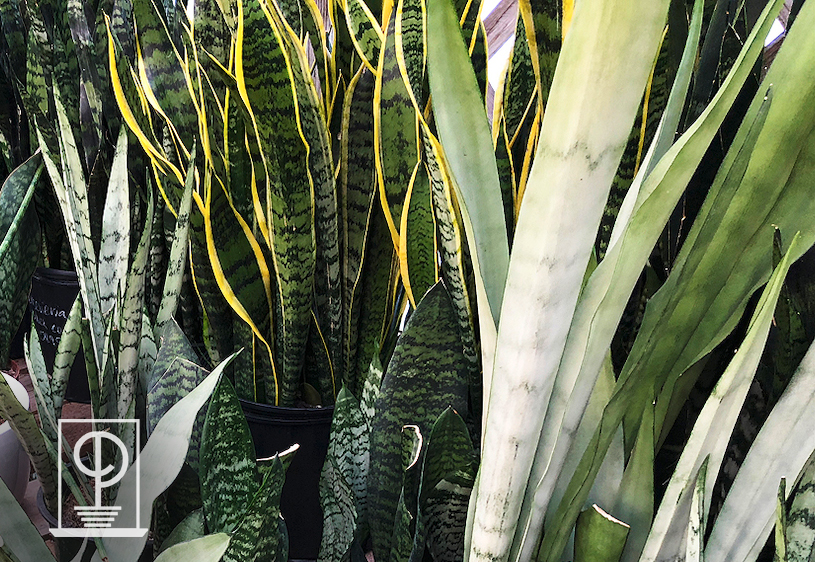
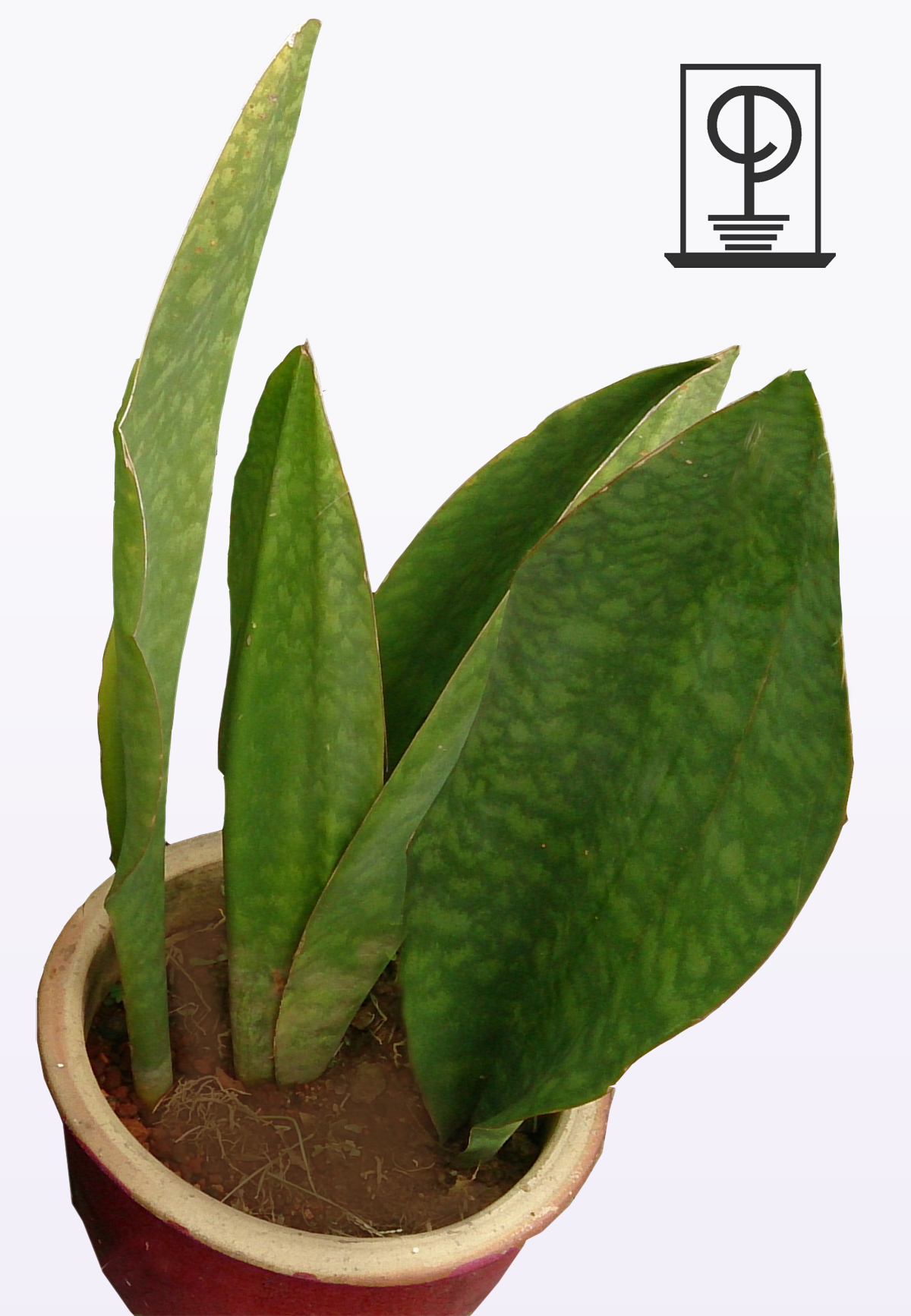
xSansevieria is a genus of plants native to Western and Central Africa, Madagascar and South Asia. It lives in rocky arid places, even deserts, and is super tough, capable of taking very bright light, even direct sun, or living in low light rooms. It is also very drought tolerant. Here at the coast, many of these can survive outside with some protection. Botanists at the Royal Botanic Garden at Kew in England have determined that these are simply Dracaenas that have adapted for drier areas. It seems that no matter what these plants are classified at, it will be hard to spell.
| Sansevieria Care | |
|---|---|
| Difficulty | Easy |
| Light | Low, medium or bright indirect light. They will grow slower with less light. Many can handle some direct sun. |
| Temperature | Technically they do not like going below 50 degrees but many are hardy outside here at the coast with some protection. |
| Water | Let this plant go totally dry before watering, or simply water small amounts in your regular weekly watering routine. But check the soil to make sure it isn’t moist as overwatering very bad for this plant. |
Varieties
The Planted Parlour’s Tips and Tricks for Success!
- These are essentially succulentsSansevierias live in hot dry places, treat them like succulents. Pot them in a well draining, low-organic mix like a cactus mix.
- Give their leaves a wipe once in a whileSansevierias are excellent at photosynthesis, but why not help them do their job by wiping any dust off their leaves every month or so. And even though they aren’t prone to bugs, you can use this time to check for any pests.
Learn More…
Certain plants that live in hot, dry places have adapted to that environment by changing how they metabolize. Sansevierias are in this group that use the Crassulacean Acid Metabolism, or CAM, Process. Plants that use the CAM process do the opposite of what most plants do in how they respire (or "breathe"). Most plants primarily release oxygen during the day and carbon dioxide (CO2) at night. CAM plants do the opposite, releasing primarily oxygen at night and CO2 during the day. That’s why people like having them on their bed stand or in their bedroom, and they are great plants for low light places, which bedrooms can be.
Why Are These Dracaenas Now?
With the ability to compare different plants’ DNA, taxonomists (the scientists that deal with how living things are related) have made a lot of changes in the plant world. Despite the number of changes that were made, it is notable that over 90% of what taxonomists had already identified using earlier methods remained the same. Before they were comparing DNA, it was similarities in the flowers that determined plants’ relationship to each other. But DNA actually confirmed what some taxonomists already assumed. Dracaena flowers and Sansevieria flowers are actually virtually identical and it was posited that Sansevierias were actually just Dracaenas that had adapted to hot and dry environments. The DNA seems to be in support of that.