


Epipremnum
xEpipremnum is pronounced just like it’s spelled, and that makes it a hard word to say: ep-i-prem-num. The name means "upon" (epi) and "trunk" (premnom) because these Aroids grow up trees. Most people know of these as Pothos such as Marble Queen and Cebu Blue, but they are all cultivars in the genus Epipremnum. The main two species of Epipremnum in cultivation are aureum (Neon, Golden, Marble Queen, N’Joy) and pinnatum (Cebu Blue, Albo Varigata).
Epipremnum aureum is one of the easiest plants to take care of, which is why it is popular with beginner growers.
Epipremnums hail from Southeast Asia and the Pacific. The other common Pothos are Philodendrons which look very similar but are unrelated and are native to South and Central America.
Epipremnum Varieties & Care
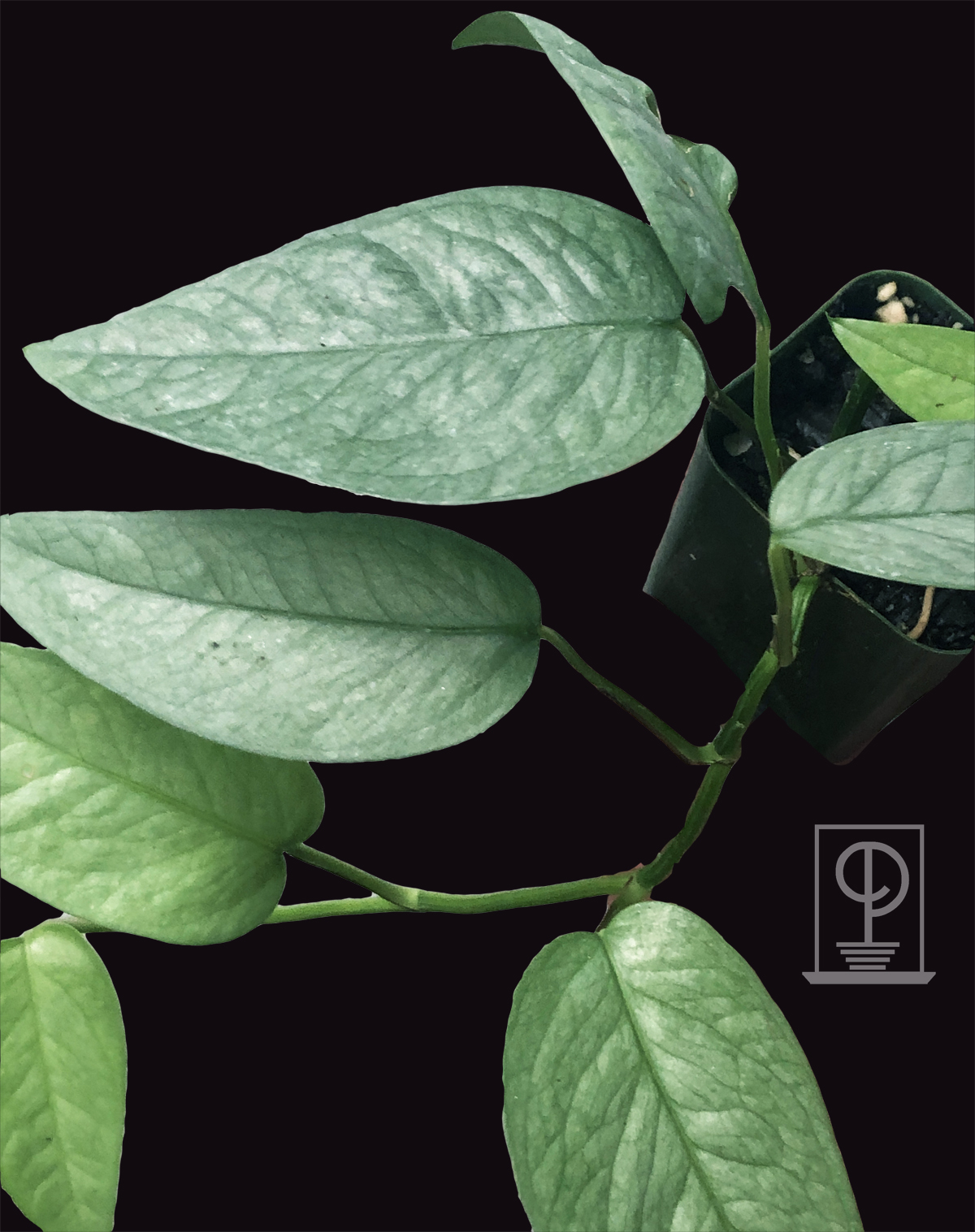
| Epipremnum pinnatum Care | |
|---|---|
| Difficulty | Moderate |
| Light | Prefers bright indirect light to encourage its signature leaf splits (fenestrations). |
| Temperature | 65°F – 75°F. |
| Water | Slightly more "finicky" than aureum; prefers consistent moisture but hates soggy soil. |
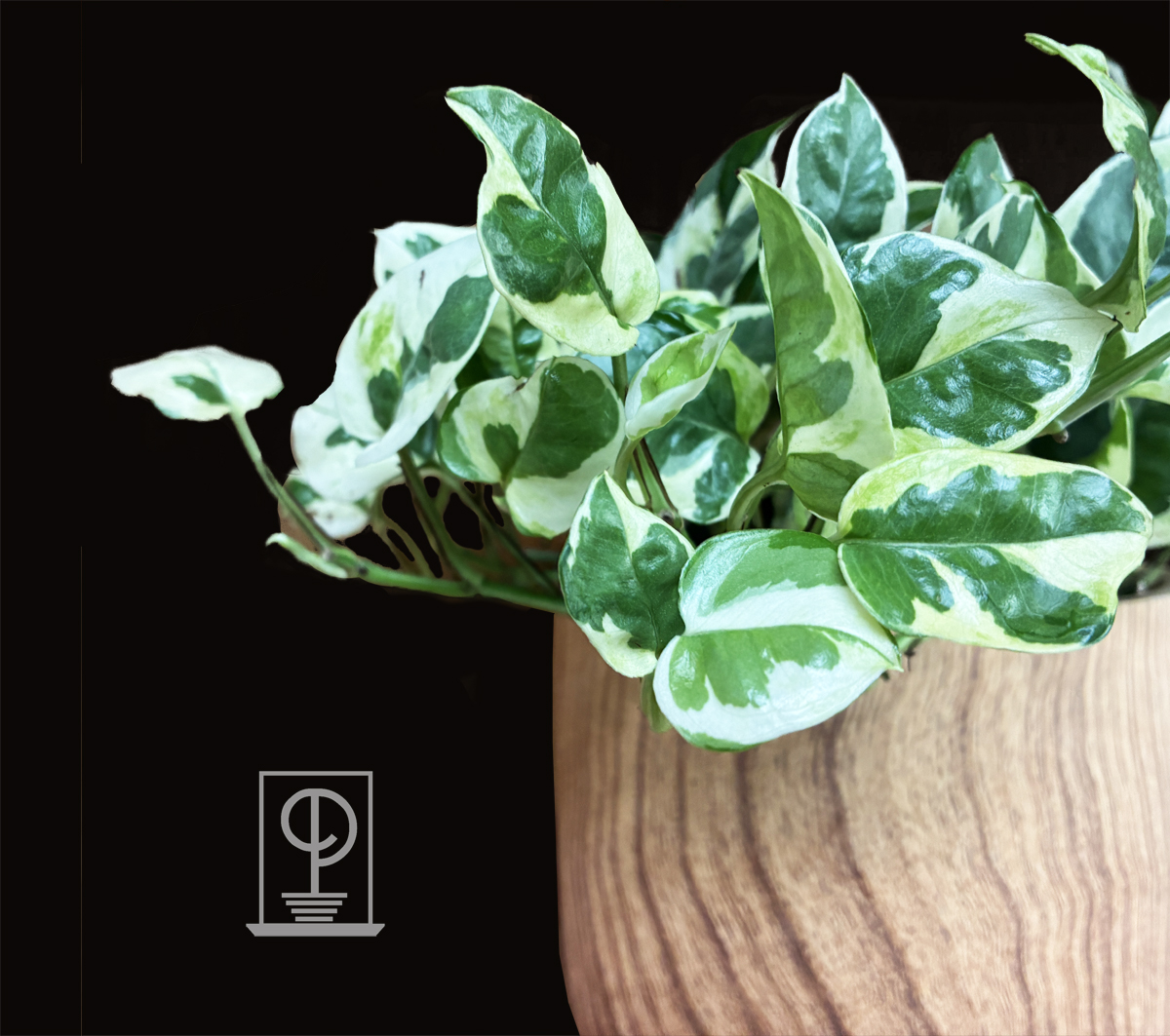
| Epipremnum aureum Care | |
|---|---|
| Difficulty | Easy |
| Light | Very adaptable; thrives in low to bright indirect light. |
| Temperature | 65°F – 85°F. |
| Water | Highly drought-tolerant; allow soil to dry out almost completely between watering. |
The Planted Parlour’s Tips and Tricks for Success!
- Let them matureEpipremnums have two leaf forms, juvenile and adult. The adult leaves can be glorious, but what you typically see is only juvenile leaves, and that’s for two reasons. The first is that so many people chop up their plants before they reach maturity to propagate them. The second reason is these are typically used in hanging baskets, where the leaves drape. In the wild the juvenile leaves are on the plant while it scrambles through the jungle looking for a tree to climb. Once it finds one it starts climbing and mature leaves begin to emerge. So that’s the trick – if you want adult leaves, don’t put these in a hanging basket but give them a pole or other structure to climb up.
- Keep it light!A light aroid mix works well for these. Orchid bark and perlite or pumice, for example.
- Have fun with propagationThese propagate well in water. And you may want to do so to spruce up your plant from time to time. If you’re growing them in hanging baskets they can become leggy over time and lose leaves at the base. Taking cuttings from the end, rooting them in water and then planting them in your original pot will make it look full again.
Learn More…
Epipremnum is native to Southeast Asia, China, Australia and the western Pacific. In their natural rainforest habitats, they can reach lengths of nearly half a football field.
Epipremnums are capable of filtering indoor toxins like formaldehyde and benzene. They thrive in a wide range of conditions, from low to bright indirect light, and are very drought-tolerant, making them ideal for beginners.