Ficus (ˈfaɪkəs) is the fig genus. The fig you buy at the grocery store is from the tree Ficus carica. In fact, the fig is likely the first plant ever domesticated by humans, predating wheat and barley by roughly 1,000 years. There is even a fig tree (similar to Ficus Audrey) planted in India that is the oldest living human-planted plant. It’s over 2,000 years old. Ficus has been a long-term staple in houseplants as well, with benjamina and elastica (Rubber Plant) showing up in photos from the Victorian Era and the Fiddle Leaf Fig (Ficus lyrata) being popular in the 1960s and 1970s and then having a resurgence in popularity today. But Ficus is a diverse group of plants, mostly trees, and benjamina and lyrata are far from the easiest to grow. Many are very tolerant of different conditions in the home and can handle being moved without losing leaves.
Varieties and Care
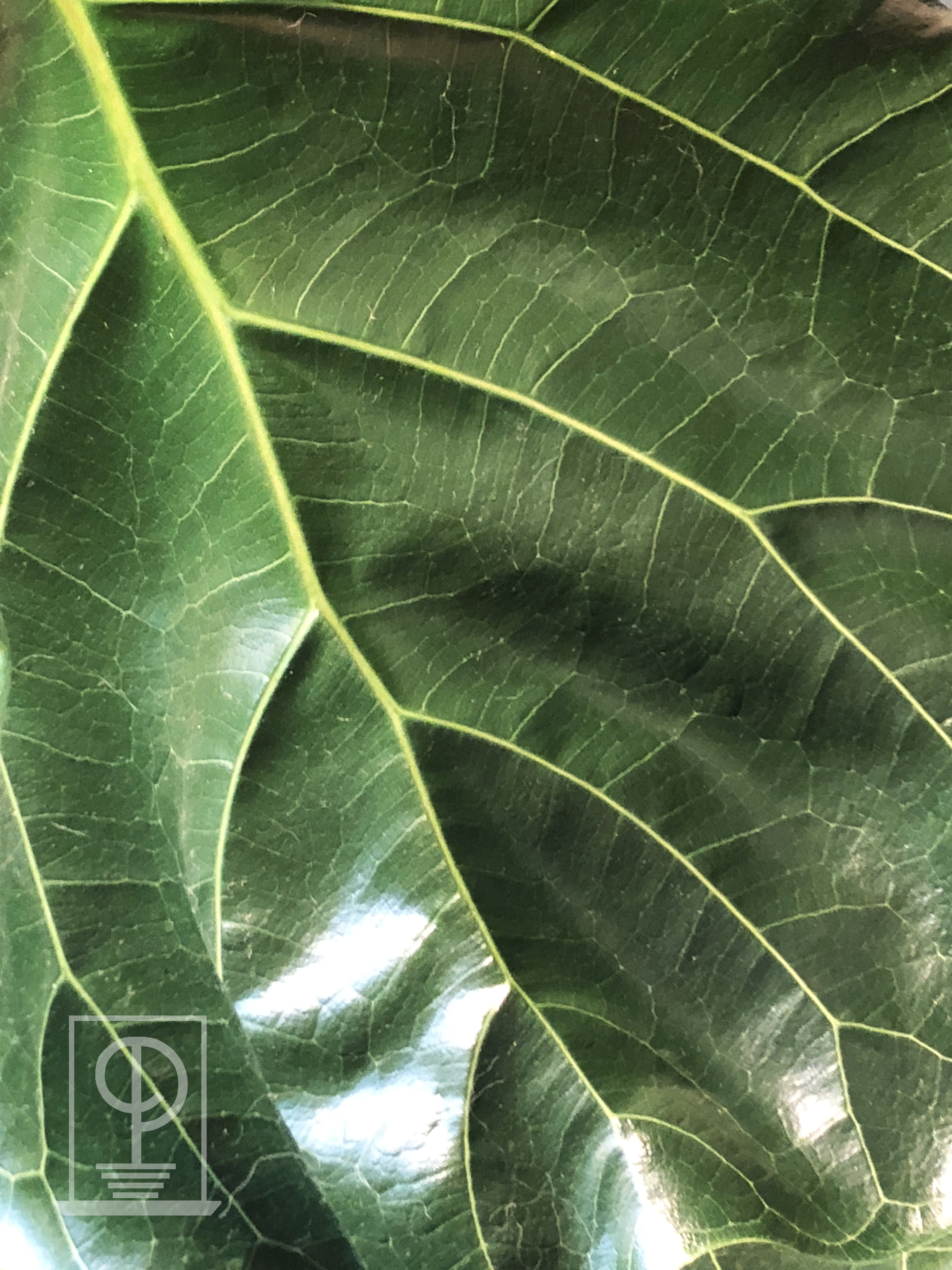
lyrata
The iconic, "Fiddle Leaf Fig", with its monstrous leaves and leggy growth fits well with most decór, adding architectural flare in a mid-century home or tropical lushness in a more bohemian setting. These trees can be finicky, particularly when subjected to any type of change (light, temperature, water). But they are not easy to kill. They can drop all of their leaves in an angry fit and grow them back…albeit slowly. But who can resist the lush leaves? Or the exotic growth habit? Regarding all the potential difficulties in growing this tree, know that once it’s in its perfect spot, it will happily grow for you without any fuss whatsoever, so pay attention when you first get it to ensure it’s happy with where you’ve placed it – and move it if needed.
| Ficus lyrata Care |
|---|
| Difficulty | Moderate to Difficult |
| Light | Bright, filtered light. This plant will reach towards light sources. Rotate to prevent sideways growth, or don’t if you prefer that. This tree can handle quite a bit of light but ease it into it, as it dislikes change. |
| Temperature | 65°F–85°F – very sensitive to drafts. Do not place in front of vents or external doors. |
| Water | Water when the top inch of soil feels dry |
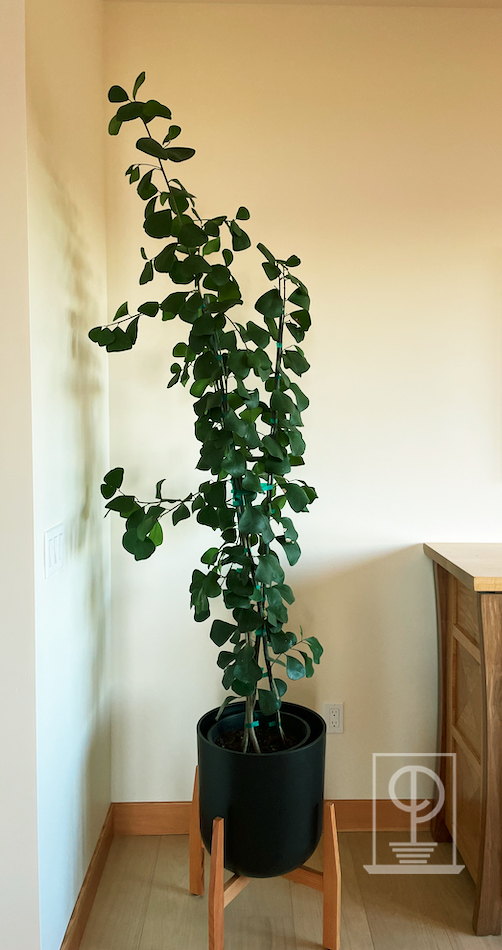
triangularis
This unique shrub features distinct heart-shaped or triangular leaves and is commonly found in variegated forms. It makes a statement against light colored walls, even casting interesting shadows in brighter light. It serves well for people looking to have a tree but not having a lot of space to dedicate to it, as it has columnar growth, growing upward and not as much outward. The variegated form requires more light and is more fussy than the green form, losing its leaves easily from change.
| Ficus triangularis Care |
|---|
| Difficulty | Moderate |
| Light | Bright indirect light. Non-variegated form can do well in somewhat lower light. |
| Temperature | 60°F–80°F |
| Water | Keep consistently moist but not soggy – plant can rot if soggy and will not survive going bone dry |
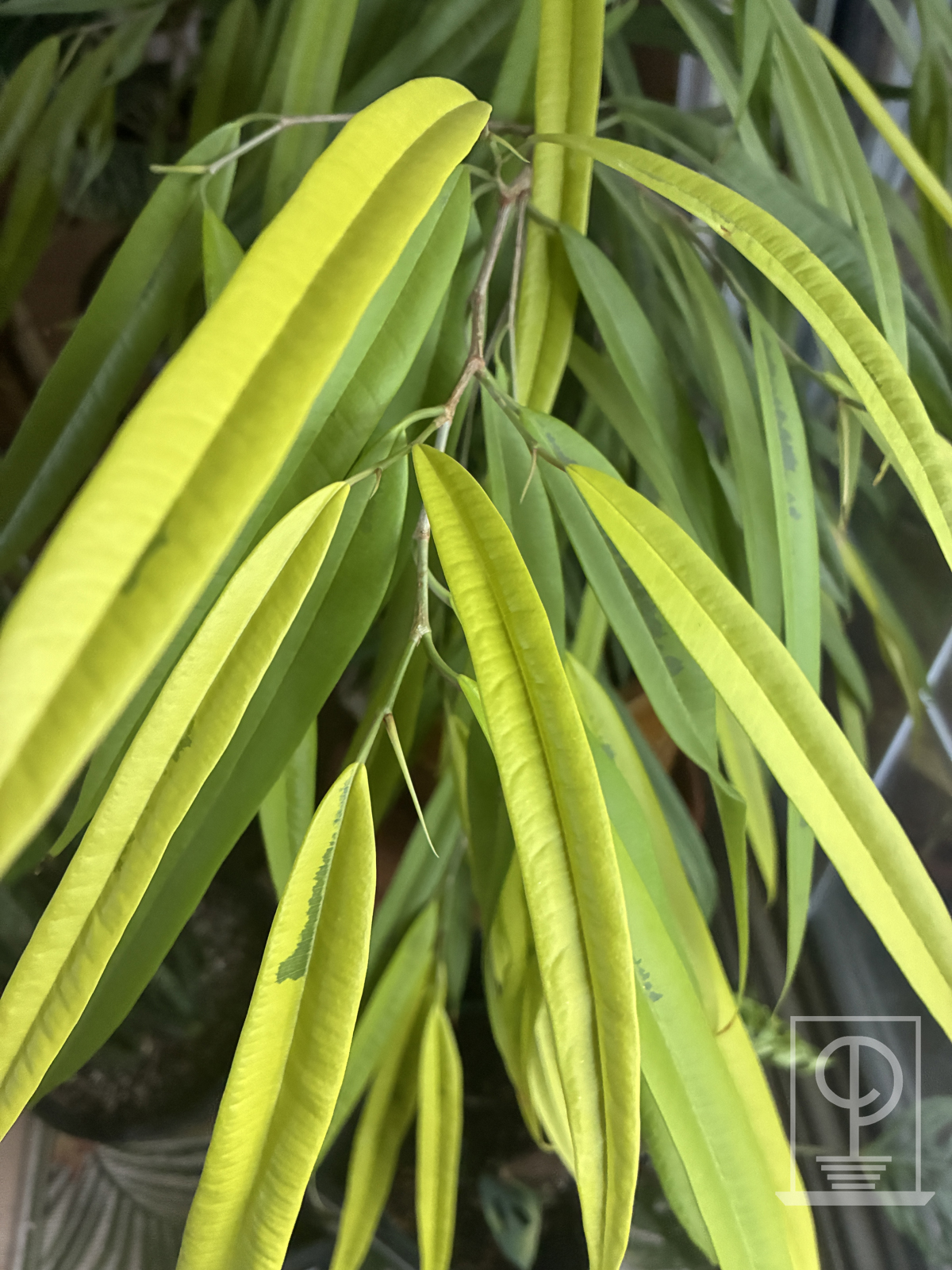
maclellandii
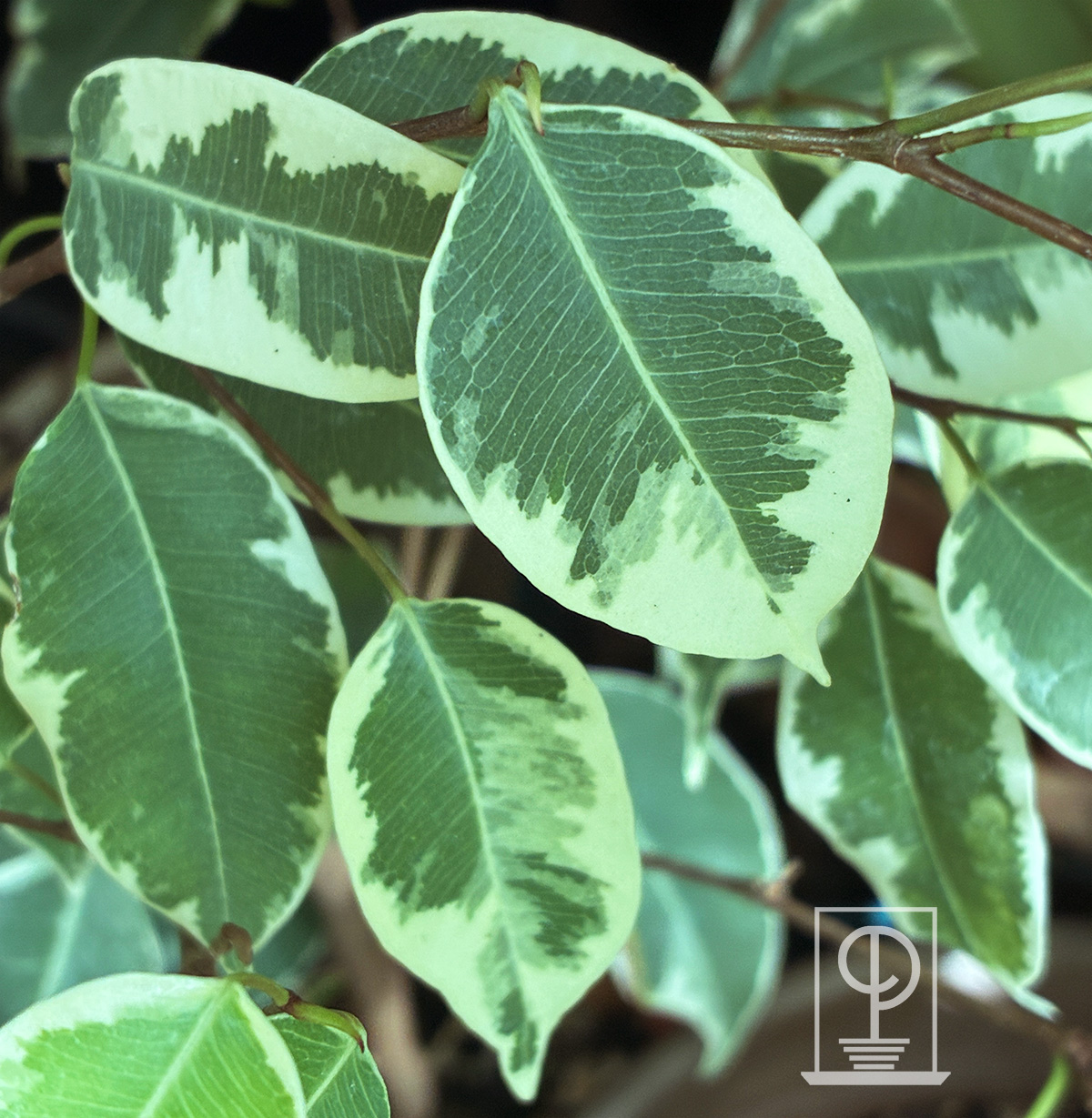
Aka "Alii". It’s a resilient indoor tree with long, narrow, pendant leaves, reminiscent of a willow, that are less prone to dropping than other Ficus varieties. It makes an elegant addition to any decor. This tree has lush, green leaves. The rarer, variegated form, with yellow and green leaves is shown here.
| Ficus maclellandii Care |
|---|
| Difficulty | Easy |
| Light | Medium to bright indirect light |
| Temperature | 65°F–80°F |
| Water | Water when the top 2 inches of soil are dry |
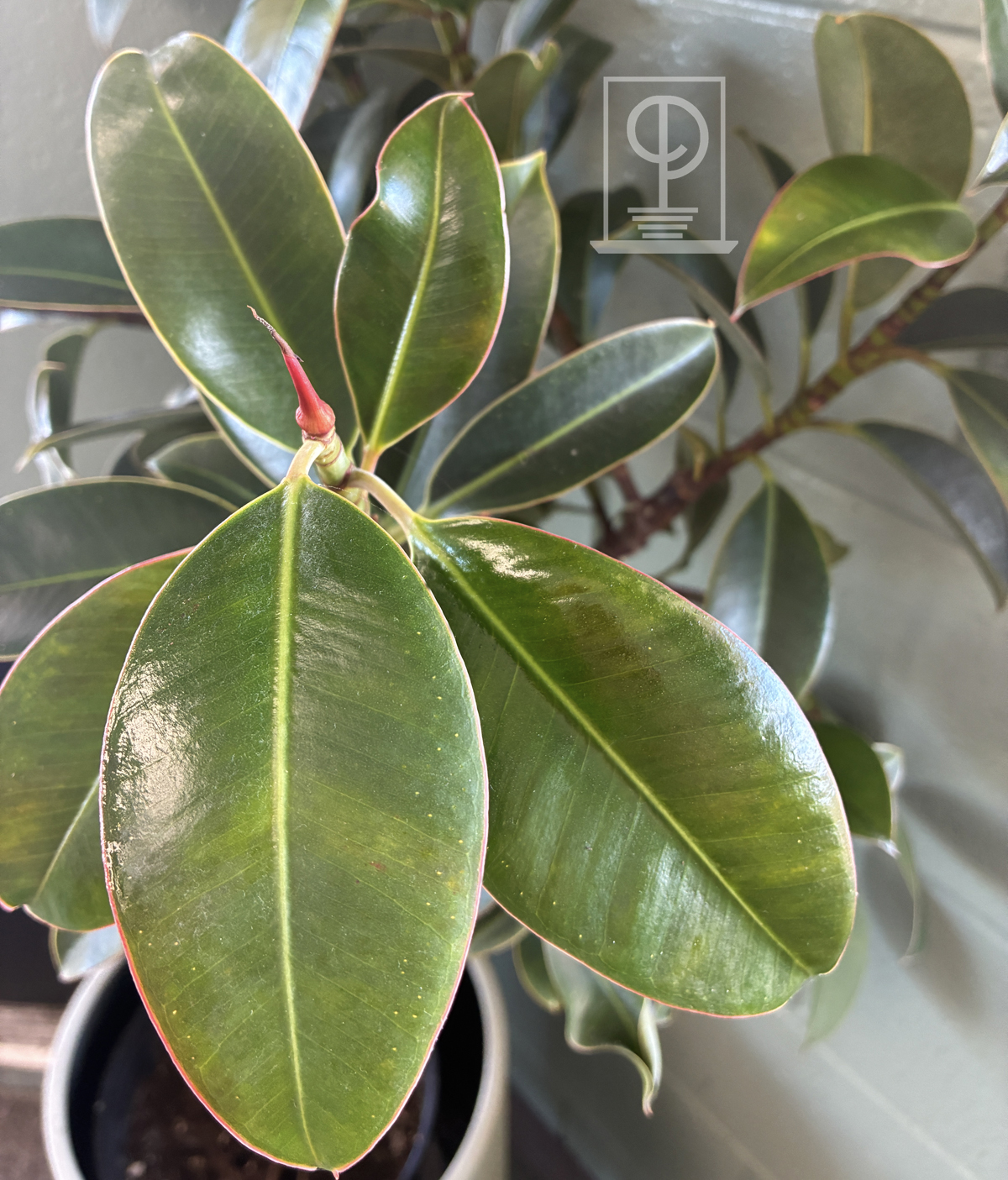
elastica
This robust species, the "Rubber Plant", features thick, waxy leaves and is prized for its ability to thrive in a variety of indoor conditions. It is easy to grow when mature but fussy when young.
| Ficus elastica Care |
|---|
| Difficulty | Easy |
| Light | Bright indirect light (tolerates lower light) |
| Temperature | 60°F–85°F |
| Water | Water when the top half of the soil is dry |
villosa
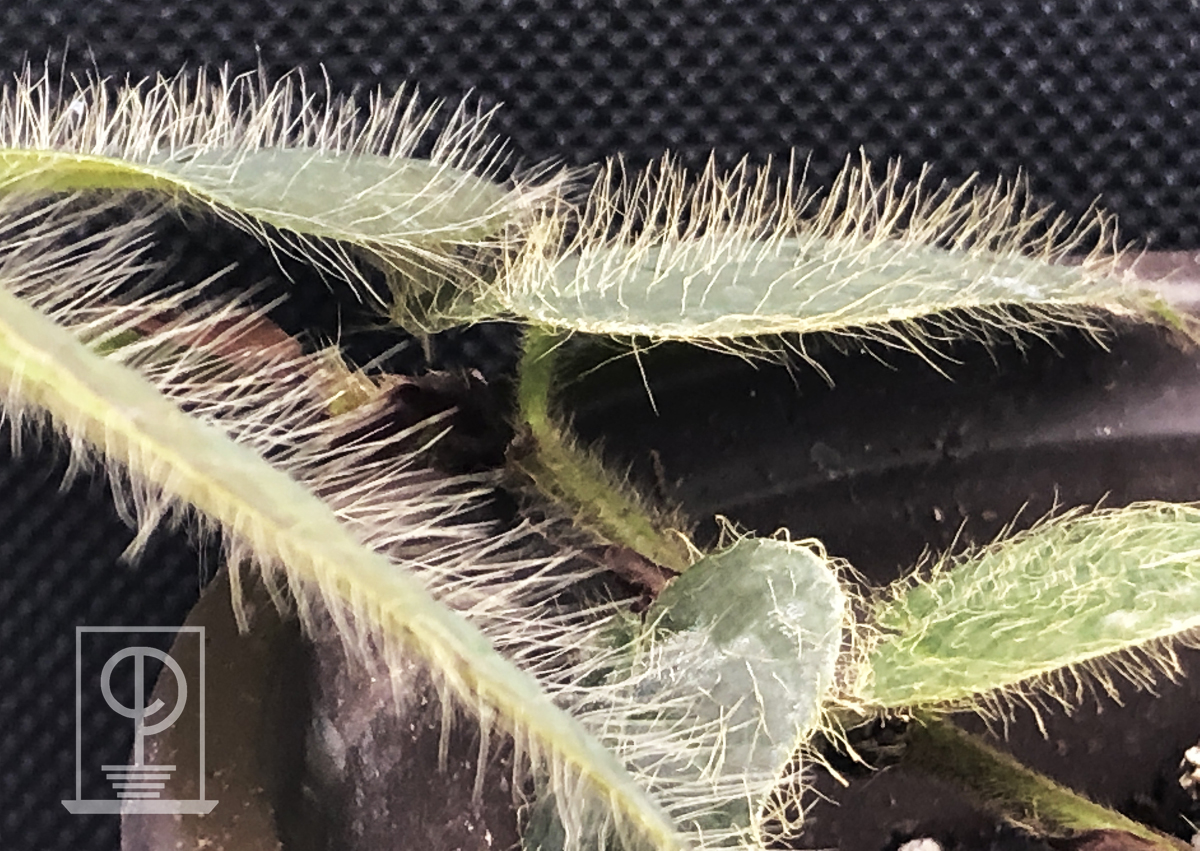
Not all ficus are trees! This is a rare creeping or climbing species characterized by its fuzzy, “shaggy” orange-to-brown hairs on new growth. This is a great terrarium species and does best in higher humidity.
| Ficus villosa Care |
|---|
| Difficulty | Moderate to Difficult |
| Light | Bright indirect light; does well under grow lights |
| Temperature | 70°F–85°F |
| Water | Keep soil consistently moist – high humidity required |
Audrey
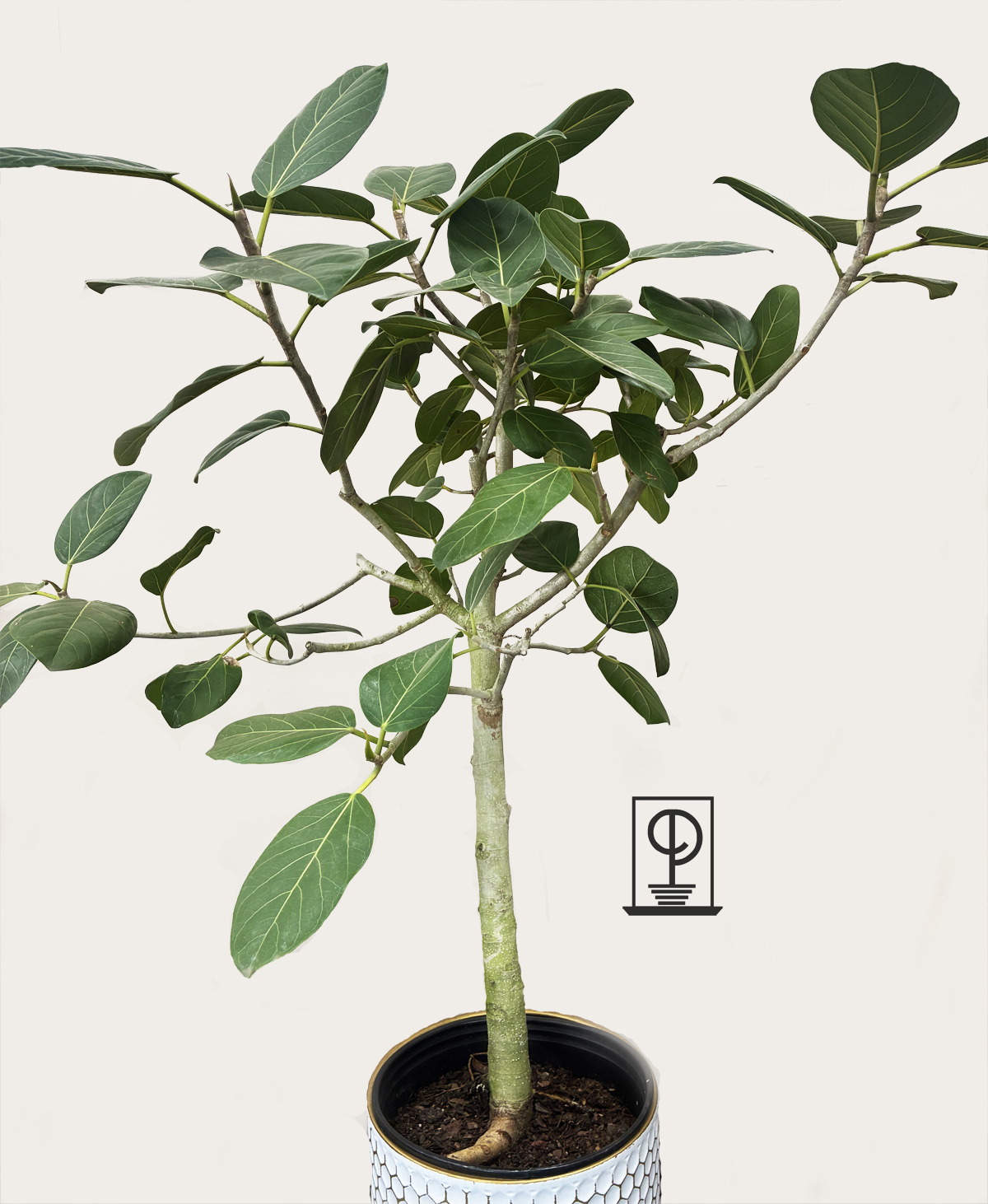
Audrey, a cultivar of Ficus benghalensis, is often considered an easier alternative to the Fiddle Leaf Fig. It has velvety, emerald leaves with striking white veins. Its trunk and stems are reminiscent of white birch bark. It makes a striking indoor tree.
| Ficus Audrey Care |
|---|
| Difficulty | Easy |
| Light | Bright indirect light |
| Temperature | 65°F–85°F |
| Water | Water when the top 1–2 inches of soil are dry |
benjamina
A classic indoor tree with arching branches and small glossy leaves, notorious for dropping foliage when stressed or moved. Young plants are difficult to care for. You’ll see these planted outside here at the coast. Indoors or out, they make beautiful trees.
| Ficus benjamina Care |
|---|
| Difficulty | Moderate |
| Light | Bright indirect light |
| Temperature | 65°F–75°F |
| Water | Water when the top inch of soil is dry |
The Planted Parlour’s Tips and Tricks for Success!
- What about the sap?Ficus elastica is known for its latex sap, but all ficus contain this type of sap, and it is not safe to eat, touch or get in your eyes, so it’s best to wear gloves when pruning this plant. The latex can drip for a minute or so as well, so watch surfaces after you prune.
- Root bound is okMany Ficus trees will take over whatever space is given to them, but they’re also able to live while very root bound. If you don’t want your ficus to grow any larger, keep it slightly root bound at its current size. If the tree begins to look or act stressed, consider potting it up in the next size pot (and never pot it in an oversized pot).
- Leaf drop isn’t always the endSome Ficus trees can be very fussy when it comes to change, drama queens, of sorts. One day you move that Ficus benjamina to a new spot, not considering that the sun isn’t exactly the same in that spot and over the course of a couple of weeks the plant drops all of its leaves. Ficus may be dramatic, but they’re also tough. They’re usually just regrouping for new leaves…playing dead, sort of. But the leaves will come back…in time. Benjamina, lyrata (Fiddle Leaf) and triangularis (the variegated form, in particular) can have "Ficus leaf drop" when subjected to some type of change. One of our goals at The Planted Parlour is to acclimate our space to be like a house, so the trees aren’t shocked when they get to your home, keeping their leaves from the start.
Learn More…
Historically and culturally, Ficus species hold unparalleled significance across the globe:
- Oldest Planted Tree: The Sri Maha Bodhi (Ficus religiosa) in Sri Lanka was planted in 288 BCE, making it the oldest living human-planted tree with a known date.
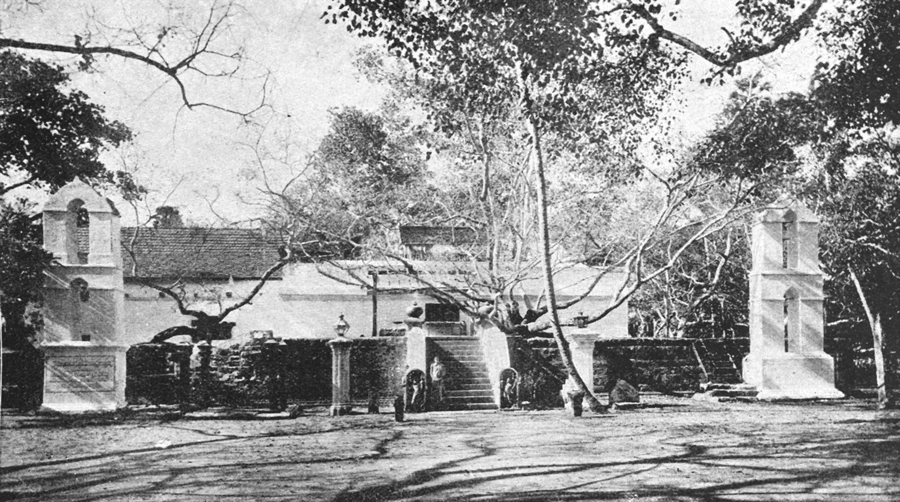 This photo shows the tree as it looked (seen behind the wall) in the early 20th century.
- The Banyan “Forest”: The Indian Banyan (Ficus benghalensis) can grow so many aerial prop roots that a single tree can eventually resemble an entire forest; the largest on record in India covers over four acres.
- Religious Iconography: It is the tree under which Buddha attained enlightenment and is the first plant mentioned in the Bible, used by Adam and Eve for clothing.
- Ancient Industry: Ficus trees were likely the first plants ever cultivated by humans, with evidence of fig agriculture dating back over 11,000 years. Their milky latex was even used to produce the world’s first rubber.
Ficus pollination
Ficus trees are among the most evolutionarily successful plants on Earth, having thrived for over 60 to 80 million years. A defining botanical trait is their unique "inside-out" flowers, known as syconia. When you see a fig, you are looking at a hollow, fleshy stem lined with hundreds of tiny internal flowers that can only be reached by highly specialized fig wasps. This obligate mutualism is so precise that most Ficus species rely on a single, specific wasp species to enter through a tiny opening (the ostiole) to pollinate them, often losing their wings and antennae in the process.
Some ficus will fruit indoors such as triangularis and deltoidea. Most ficus fruit are edible, but some are not. Whether or not those are edible seems unclear so we’d say: don’t eat them. Even if they were edible, there wouldn’t be much to taste. Those species produce pea-sized fruit with essentially no pulp.